



Clean Energy: Toward a More Sustainable Future
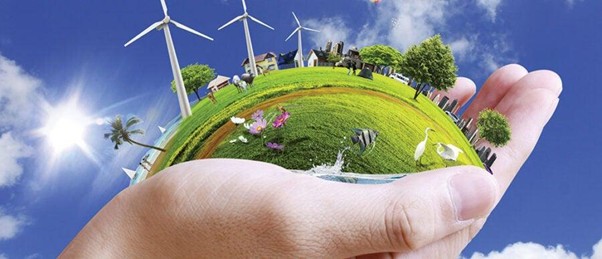
(Source: knowledge.wharton.upenn.edu)
Clean energy refers to energy sources and technologies that produce power with minimal environmental harm, especially regarding greenhouse gas emissions, air pollution, and ecosystem damage. These sources often include renewable energies such as solar, wind, hydro, geothermal, and biomass, as well as emerging low-carbon options like hydrogen, carbon capture, and advanced energy storage systems. The concept of clean energy is also tied to sustainability—the idea of meeting current energy demands without compromising the ability of future generations to meet theirs. Clean energy is essential for decarbonizing the global energy sector, reducing pollution, and promoting sustainable economic and social development (Jaiswal et al., 2022; Turner, 2022).
Transitioning from fossil-based energy systems to clean energy, however, poses significant challenges. One major obstacle is the intermittency of renewable sources such as solar and wind, whose output varies depending on weather conditions and time of day. This intermittency complicates grid stability and energy reliability, requiring new systems capable of balancing fluctuating supplies. Another challenge is infrastructure. Many existing electrical grids were built for centralized, fossil-fuel-based systems and are not designed to integrate distributed renewable generation. Upgrading to smart grids and expanding transmission networks involves substantial costs. Energy storage is another critical issue; while technologies such as lithium-ion batteries, pumped hydro storage, and hydrogen storage are advancing, they remain expensive and face issues of scale and lifespan.
Economic and institutional barriers also complicate the transition. Although the cost of renewables has dropped significantly, the upfront investment remains high, particularly for developing countries. Furthermore, fossil fuels still benefit from subsidies and entrenched regulatory structures, making it difficult for renewables to compete on equal footing. There are also material and supply chain challenges, since clean energy technologies depend on critical minerals like lithium, cobalt, and nickel—resources that pose risks of scarcity, geopolitical tension, and environmental harm in their extraction. Lastly, social and political acceptance plays a crucial role. Clean energy projects sometimes face resistance due to land-use conflicts, local opposition, or concerns over equity and access. Ensuring that the transition is fair and inclusive remains one of the most pressing aspects of the clean energy movement.
Clean energy brings both advantages and drawbacks. On the positive side, it dramatically reduces greenhouse gas emissions and air pollution, contributing to climate mitigation and improved public health. Clean energy also enhances energy security by diversifying sources and reducing dependence on imported fossil fuels. Over time, renewable technologies tend to become more affordable due to economies of scale and technological learning, and they create employment opportunities in new sectors such as manufacturing, installation, and maintenance. Moreover, decentralized renewable systems can empower communities by providing localized energy solutions like rooftop solar or microgrids.
Nevertheless, clean energy is not entirely without cost. The intermittency of renewables continues to challenge grid reliability, and the high initial capital costs can be prohibitive. Clean technologies also require land, water, and materials, which can create environmental and social tensions, particularly when large-scale projects alter landscapes or compete with other land uses. The extraction of minerals needed for renewable technologies can have its own environmental footprint, raising questions about the sustainability of supply chains. Thus, while clean energy represents a major improvement over fossil fuels in terms of emissions, it still involves trade-offs that must be managed through effective regulation and technological innovation.
Recent research highlights the multifaceted nature of clean energy development. Jaiswal et al. (2022) describe clean energy as crucial for economic, social, and environmental stability, emphasizing that renewable energy is essential for long-term sustainability. Turner (2022) argues that the clean energy transition provides wide-ranging benefits—creating jobs, improving health outcomes, and achieving energy independence. Jiang et al. (2024) show that clean energy diffusion in China has significantly reduced energy poverty while promoting energy efficiency and employment. Furthermore, lifecycle assessments have confirmed that renewables produce far less greenhouse gas emissions across their lifespans than fossil fuels, even though they still pose environmental impacts through material use and land occupation.
The implementation of clean energy produces extensive environmental, social, and economic impacts. Environmentally, clean energy systems substantially reduce carbon dioxide emissions and other pollutants, mitigating climate change and improving air quality. Cleaner air leads to significant public health benefits, including reductions in respiratory and cardiovascular diseases. Socially, clean energy deployment creates new job opportunities in the renewable energy sector and can expand access to affordable electricity, especially in rural or underserved areas. Economically, while the initial costs of renewable projects can be high, their operational costs are low because sunlight, wind, and water are free resources. Over time, this leads to greater energy price stability and reduced vulnerability to fossil fuel price fluctuations. The shift toward renewables also stimulates innovation and supports new industries in battery manufacturing, electric vehicles, and smart-grid technology. However, fossil fuel–dependent industries face potential decline, raising the need for just transition strategies that protect affected workers and communities.
At the infrastructure level, widespread adoption of clean energy necessitates grid modernization and expanded transmission capacity. Advanced control systems and energy storage technologies will be essential to balance supply and demand. On a global scale, the transition is altering geopolitical dynamics by shifting economic power from fossil-fuel-rich nations to those abundant in renewable resources. However, this shift also increases competition over critical minerals, emphasizing the need for sustainable mining practices and recycling systems. Social equity remains another critical issue: without inclusive policies, clean energy benefits may bypass marginalized groups or burden them with higher energy costs. Ensuring fair access, community participation, and equitable distribution of costs and benefits is therefore fundamental to achieving a just transition.
In conclusion, clean energy is central to addressing the intertwined challenges of climate change, environmental degradation, and energy insecurity. It encompasses renewable and low-carbon technologies that aim to provide reliable, sustainable, and affordable power while reducing ecological harm. Yet, the transition toward clean energy is complex and requires overcoming significant technical, financial, and institutional barriers. Research consistently shows that clean energy can deliver broad benefits—lower emissions, improved health, economic growth, and energy equity—if implemented effectively. Success will depend on thoughtful policies, continuous innovation, and collaboration across governments, industries, and communities. Despite the obstacles, the long-term rewards of clean energy—a stable climate, healthier populations, and sustainable prosperity—make this transition one of the most important endeavors of our time.
References:
- Arkolakis, C., & Walsh, C. (2024). The economic impacts of clean power (No. w33028). National Bureau of Economic Research. https://www.nber.org/papers/w33028
- Jaiswal, K. K., Chowdhury, C. R., Yadav, D., Verma, R., Dutta, S., Jaiswal, K. S., & Karuppasamy, K. S. K. (2022). Renewable and sustainable clean energy development and impact on social, economic, and environmental health. Energy nexus, 7, 100118. https://www.sciencedirect.com/science/article/pii/S2772427122000687
- Jiang, Y., Wang, W., Yang, M., Njie, Y., & Wang, X. (2024). Research on the effect of clean energy technology diffusion on energy poverty. Sustainability, 16(16), 7095. https://www.mdpi.com/2071-1050/16/16/7095
- Turner, J. M. (2022). The matter of a clean energy future. Science, 376(6600), 1361-1361. https://www.science.org/doi/pdf/10.1126/science.add5094

Comments :