



Green Hydrogen: The Future of Sustainable Manufacturing
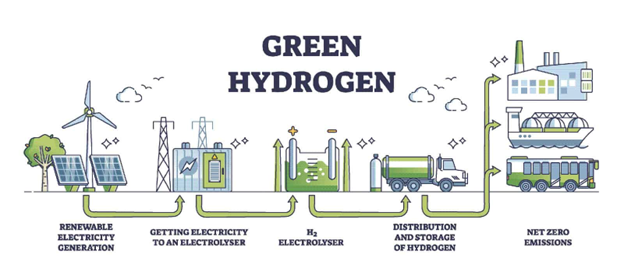
(Source: technetics.com)
Industrial engineering is increasingly focusing on sustainable energy systems as industries worldwide attempt to reduce carbon emissions and transition toward cleaner production processes. One of the most discussed innovations in recent years is green hydrogen, which is considered a promising alternative energy source for manufacturing, transportation, and industrial operations. As industries seek to achieve carbon neutrality and improve energy efficiency, green hydrogen has emerged as a critical topic in modern industrial engineering.
Green hydrogen is produced through water electrolysis using renewable energy sources such as solar, wind, and hydropower. Unlike conventional hydrogen production methods that rely on fossil fuels, green hydrogen generates little to no carbon emissions during production. Researchers explain that this technology has strong potential to support industrial decarbonization, especially in energy-intensive sectors such as steel manufacturing, chemical production, and heavy transportation. The growing interest in green hydrogen reflects the broader industrial shift toward sustainable manufacturing systems and environmentally responsible operations.
One of the main reasons green hydrogen is gaining attention in industrial engineering is its role in energy storage and supply chain resilience. Renewable energy sources such as solar and wind are highly dependent on environmental conditions and may produce unstable energy output. Green hydrogen can function as an energy storage medium because excess renewable energy can be converted into hydrogen and stored for future use. Studies published in the International Journal of Hydrogen Energy indicate that hydrogen-based energy systems improve industrial energy flexibility and support stable manufacturing operations.
Industrial engineers are also exploring hydrogen applications in manufacturing processes and logistics systems. Many companies are investigating hydrogen-powered transportation fleets, fuel-cell technologies, and hydrogen-integrated smart factories. In logistics and warehousing operations, hydrogen fuel cells are increasingly considered alternatives to conventional batteries because they provide faster refueling times and longer operational duration. Research from 2025 highlights that hydrogen-powered industrial transportation systems may improve operational sustainability while reducing greenhouse gas emissions.
Another important development is the integration of green hydrogen into Industry 5.0 and smart manufacturing systems. Industry 5.0 emphasizes sustainability, resilience, and human-centered innovation. According to recent studies, hydrogen technologies combined with digital monitoring systems, artificial intelligence, and smart energy management can optimize industrial energy consumption and improve operational efficiency. Industrial engineers are therefore becoming increasingly involved in designing energy-aware production systems that combine sustainability objectives with productivity improvement.
Despite its advantages, green hydrogen still faces several implementation challenges. One major issue is the high production cost associated with renewable electricity and electrolysis technology. Infrastructure limitations also remain significant because many countries still lack hydrogen transportation pipelines, storage facilities, and refueling networks. Researchers emphasize that large-scale hydrogen adoption requires strong government policies, technological innovation, and investment in industrial infrastructure. Without these supporting systems, industries may face difficulties integrating hydrogen technologies into existing operations.
Furthermore, industrial engineers are increasingly expected to analyze not only operational performance but also environmental sustainability and energy efficiency. Modern industrial systems require engineers who understand renewable energy integration, sustainable production planning, and carbon reduction strategies. Green hydrogen therefore represents both a technological opportunity and a new challenge for industrial engineering education and practice.
Overall, green hydrogen is becoming one of the most important emerging topics in industrial engineering because it supports sustainable manufacturing, industrial decarbonization, and resilient energy systems. As industries continue transitioning toward cleaner production processes, industrial engineers will play a vital role in designing efficient hydrogen-based operational systems that balance productivity, sustainability, and long-term industrial competitiveness.
References:
- Dawood, F., Anda, M., & Shafiullah, G. M. (2025). Hydrogen Production for Energy: An Overview. International Journal of Hydrogen Energy. Published January 2025.
- International Energy Agency (IEA). (2025). Global Hydrogen Review 2025. Published October 2025.
- Almutairi, K., et al. (2025). Green Hydrogen as a Sustainable Energy Source for Industrial Applications. Energies. Published February 2025.
- Sharma, P., & Singh, R. (2025). Hydrogen-Based Smart Energy Systems for Sustainable Manufacturing. International Journal of Hydrogen Energy. Published November 2025.
- Rejeb, A., et al. (2025). Industry 5.0 and Sustainable Energy Transition: The Role of Green Hydrogen. Circular Economy and Sustainability. Published December 2025.
- Singh, V., et al. (2025). Hydrogen Fuel Cell Applications in Industrial Logistics and Transportation. Renewable and Sustainable Energy Reviews. Published August 2025.

Comments :