



Eliminate Waste in Production
(Source: www.domeshelter.com)
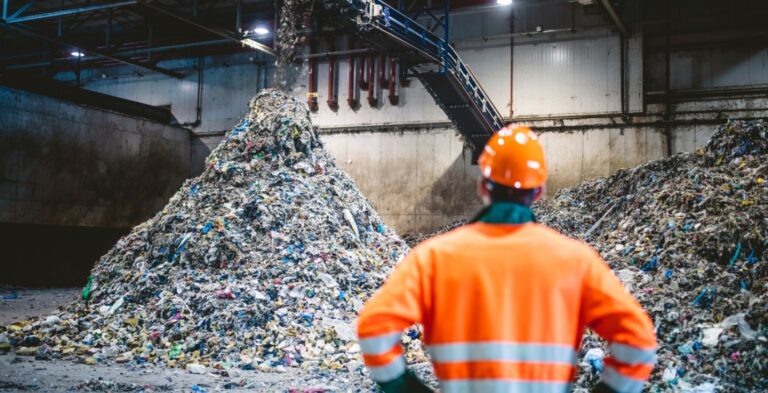
Industrial waste is an all-encompassing term used to describe material considered to be no longer of use after a manufacturing process has been completed.
- Many sectors of industrial manufacturing produce waste, including:
- Various types of factories
- Mining operations
- Textile mills
- Food manufacturing
- Consumer goods
- Industrial chemicals
- Printing and publishing
Types of Industrial Waste
Industrial waste can be hazardous or non-hazardous. Both, however, can cause a substantial environmental impact if not properly managed. Below are some common kinds of waste that can be hazardous to human life and the environment.
Solid Waste
Though the term “industrial waste” includes several different types, one of the most common is industrial solid waste. Each year, American industries generate and dispose of a significant amount of waste – about 7.6 billion tons of industrial solid waste.
According to the Resource Conservation and Recovery Act, solid waste can be generated by manufacturing processes such as:
- Electric power generation
- The use of agricultural chemicals and inorganic chemicals
- Iron and steel manufacturing
- Water treatment
- Plastics and resins manufacturing
- Many of the other manufacturing processes outlined above
Toxic Waste
Industrial waste can also be toxic or hazardous waste. If not managed properly, this type of industrial waste can cause harm to humans, animals and the environment by contaminating waterways, such as rivers and lakes.
This type of industrial waste is generally a byproduct of other materials generated at factories, hospitals and manufacturing facilities.
It’s important to note that waste laws can vary from state to state. For example, in many states, asbestos is not considered hazardous waste. However, in California, it is. If the waste weighs more than 50 pounds in total, transportation by a certified hazardous waste disposal company is required (Dawn DeVroom, 2023).
Ways to Reduce Waste
At the top of the waste hierarchy is source reduction. This means to find ways to reduce the amount of waste being generated in production.
The best approach is a “lean” approach. Reducing excess processing and defects, in particular, can have a substantial impact on environmental sustainability.
Here are some ways to reduce manufacturing waste:
- Upgrade process equipment – Invest in newer equipment that will produce less scrap.
- Upgrade supply / raw materials – A higher quality raw material may generate less waste in the process or reaction.
- Conduct training – New training or refresher courses will keep employees in top form and help reduce inefficiencies and waste on the production line.
- Add quality checks – Include more quality checks in your processes so errors are caught quicker and less scrap or rework is generated.
- Rigorous tracking – Tracking your output with timestamps will help identify areas for improvement.
- Cut waste generation at the source – Talk to suppliers for better, more sustainable alternatives.
- Audit your supplier – Audit your supplier’s downstream process. How do they source their materials?
- Work with suppliers for well-timed deliveries – Shorter storage may result in less packaging requirements to protect against damage, aging, etc.
- Reduce packaging materials – Avoid packing tiny items in a huge box. Find a reusable packaging alternative, such as a tub or bin.
- Return packaging – Ask vendors to take packaging back. There may be the possibility that they can reuse it or at least generate greater quantities which will enhance the feasibility of recycling.
- Redesign your process flow – Cut out unnecessary steps, and reduce the amount of movement to improve efficiency.
- Hold regular 6S Events – 6S is a modification of the six sigma 5S methodology for lean process improvement. A 6S event includes: Sort, Set, Shine, Standardize, Sustain, Safety (ITU AbsorbTech, 2026).
References:
- Dawn DeVroom. (2023). What Is Industrial Waste?. Retrieved from research.com
- ITU AbsorbTech. (2026). 25 Ways to Reduce, Reuse and Recycle Industrial Waste. Retrieved from www.indeed.com

Comments :