


Energy Consumption Optimization Using Industrial IoT in Smart Manufacturing Systems
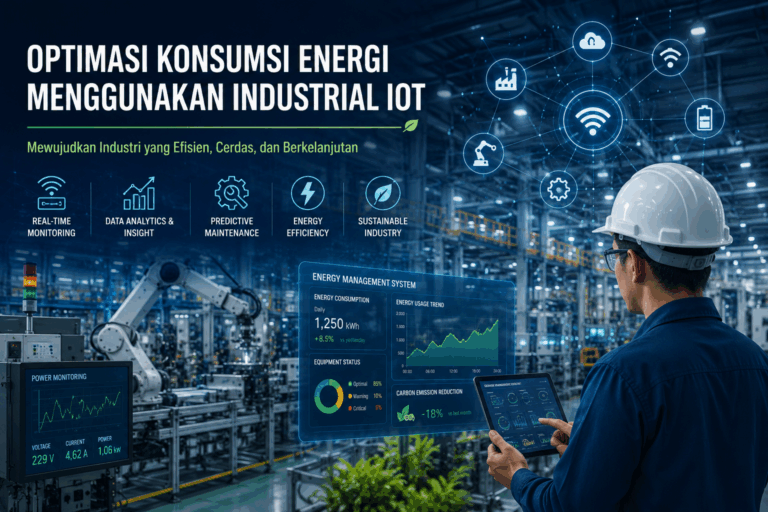
The rapid advancement of digital technology has encouraged industries to adopt smarter and more efficient operational systems. One of the major challenges faced by modern industries is excessive energy consumption caused by inefficient production processes, unmonitored equipment performance, and limited operational visibility. To address these issues, Industrial Internet of Things (IIoT) technology has emerged as an important solution for optimizing energy consumption and improving industrial efficiency. Through the integration of sensors, communication networks, and real-time monitoring systems, Industrial IoT enables companies to collect and analyze operational data continuously, allowing industries to make faster and more accurate decisions regarding energy management.
Industrial IoT systems support real-time energy monitoring by connecting industrial equipment to centralized digital platforms. Sensors installed on machines and electrical systems can monitor electricity usage, machine conditions, and operational performance continuously. The collected data are analyzed automatically to identify inefficiencies, abnormal energy usage, and potential equipment failures. In addition, IIoT technology also supports predictive maintenance strategies, where machine conditions can be monitored before technical failures occur. This approach helps industries reduce downtime, improve equipment reliability, and minimize unnecessary energy waste, leading to more efficient production systems.
The implementation of Industrial IoT is also closely related to the development of smart manufacturing and Industry 4.0 systems. Smart factories integrate automation, data analytics, artificial intelligence (AI), and cloud computing to create interconnected production environments. In Indonesia, the growing adoption of AI-based IoT solutions reflects the increasing importance of digital transformation in industrial operations. For example, Telkomsel introduced IoT Envion, an AI-based energy monitoring solution designed to support automation and optimization of enterprise energy management systems. The system enables companies to monitor operational performance, battery conditions, and electrical infrastructure through integrated digital dashboards while supporting predictive analysis and automated mitigation systems.
From an Industrial Engineering perspective, Industrial IoT plays an important role in improving operational efficiency, reducing production waste, and supporting sustainable industrial development. Real-time monitoring systems and data-driven decision-making allow industries to optimize resource allocation and improve energy efficiency while supporting environmentally friendly manufacturing practices. Although challenges such as cybersecurity risks, infrastructure readiness, and implementation costs still exist, Industrial IoT has significant potential to strengthen industrial competitiveness in the future. As industries continue to embrace digital transformation, the integration of IIoT technologies will become increasingly important in creating smarter, more adaptive, and sustainable industrial systems.
References:

Comments :