


Understanding OEM, ODM, OBM, and Private Label Strategies in Modern Manufacturing Industries
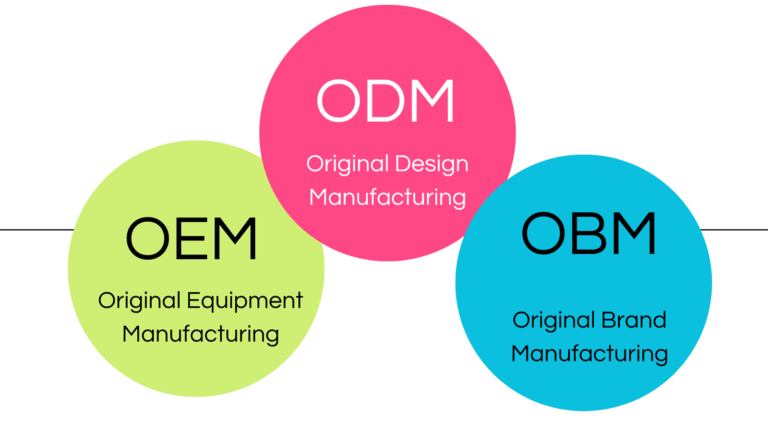
(Source: www.globalsources.com)
The rapid development of global manufacturing industries has encouraged companies to adopt various production and branding strategies to remain competitive in increasingly dynamic markets. In modern industrial systems, manufacturing companies are not only responsible for producing goods but also for managing product development, branding, innovation, and distribution processes. Several commonly used business models in manufacturing industries are Original Equipment Manufacturer (OEM), Original Design Manufacturer (ODM), Original Brand Manufacturer (OBM), and Private Label. Each model offers different advantages, operational structures, and business opportunities depending on the company’s objectives and market strategy.
Original Equipment Manufacturer (OEM) refers to a manufacturing model in which a company produces products or components based on specifications provided by another company. In this model, the manufacturer focuses mainly on production activities while the purchasing company manages branding and marketing. OEM systems are widely implemented in industries such as automotive, electronics, machinery, and consumer goods because they allow companies to reduce production costs and improve operational efficiency. By outsourcing production processes to OEM manufacturers, companies can concentrate on product marketing, customer relationships, and market expansion without investing heavily in production facilities.
Meanwhile, Original Design Manufacturer (ODM) offers a broader role in manufacturing operations because the manufacturer is responsible not only for production but also for product design and development. Under the ODM model, manufacturers create products that can later be marketed under another company’s brand name. This strategy is particularly beneficial for businesses that want to launch products quickly without investing large amounts of time and resources into research and development (R&D). ODM systems are commonly found in fashion, electronics, cosmetics, and household product industries where market trends change rapidly. Through ODM partnerships, companies can increase flexibility, accelerate innovation, and reduce product development risks.
In contrast, Original Brand Manufacturer (OBM) represents a more comprehensive business strategy in which companies produce, design, market, and distribute products under their own brands. OBM companies have full control over product quality, branding strategies, customer relationships, and market positioning. This model enables businesses to build stronger brand identity and achieve higher profit margins because they directly manage the entire value chain. However, OBM also requires substantial investment in marketing, product innovation, supply chain management, and brand development. Many manufacturing companies initially operate as OEM or ODM providers before gradually transitioning into OBM businesses to strengthen long-term competitiveness and expand their market presence globally.
Another increasingly popular business strategy is the Private Label model. In this system, products manufactured by one company are sold under another company’s brand, typically for retail businesses or marketplaces. Unlike OEM and ODM systems, private label products are generally standardized products that can be customized only slightly according to market preferences. This strategy allows retailers and distributors to establish their own brands without managing production facilities directly. Private label products are widely used in food and beverage industries, cosmetics, household products, and fashion sectors due to their relatively low production costs and fast market entry process.
From an Industrial Engineering perspective, the implementation of OEM, ODM, OBM, and Private Label strategies requires effective production planning, quality management, supply chain optimization, inventory control, and operational efficiency. Industrial engineers play an important role in designing efficient manufacturing systems, minimizing production waste, improving product consistency, and supporting sustainable industrial operations. The selection of appropriate business models also depends on company capabilities, market targets, investment capacity, and long-term strategic objectives.
In conclusion, OEM, ODM, OBM, and Private Label models each provide unique advantages and challenges within modern manufacturing industries. OEM emphasizes production efficiency, ODM focuses on design and innovation, OBM strengthens brand ownership, while Private Label supports faster market expansion for retailers and distributors. As global competition continues to intensify, companies must carefully choose business strategies that align with their operational strengths and market opportunities to achieve sustainable industrial growth and long-term competitiveness.
References:
- Autolaris. (2024). Perbedaan OEM, ODM, OBM, dan private label. Autolaris
- Cibes Lift Indonesia. (2024). Apa perbedaan OEM, ODM, dan OBM dalam bisnis dan manufaktur. Cibes Lift Indonesia
- Kitchen Water Tap. (2024). OEM, ODM, dan OBM dalam industri manufaktur. Kitchen Water Tap
- Ninja Xpress. (2023). OEM, ODM, dan OBM: Pengertian dan perbedaannya dalam bisnis. Ninja Xpress

Comments :