



The Impact of Economic Uncertainty on Indonesian Industries
(Source: JustStyle)
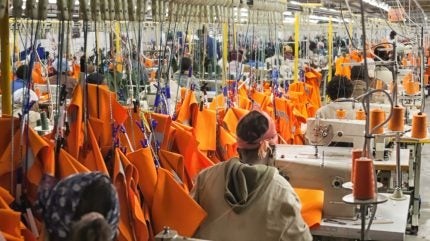
Indonesia’s industrial sector is currently facing major pressure due to the weakening rupiah and uncertain global economic conditions. Many industries still depend heavily on imported raw materials, causing production costs to increase significantly whenever the rupiah weakens against the US dollar. Sectors such as food and beverage, pharmaceuticals, plastics, textiles, and manufacturing are among the industries most affected by this situation. The increase in production costs has forced many companies to become more careful with their spending. Businesses not only need to pay more for imported materials, but also face rising logistics and operational expenses. At the same time, companies cannot easily increase product prices because people’s purchasing power is also weakening. This creates a difficult situation where industries must balance profitability with market demand.
Another major impact is the growing concern over layoffs in labor-intensive industries. Several economic experts have warned that companies may reduce recruitment, cut production capacity, or even terminate workers if economic pressure continues. Industries such as textiles, electronics, footwear, and manufacturing are considered the most vulnerable because they rely heavily on imported materials and large operational costs. The weakening rupiah also highlights Indonesia’s dependence on imported products and foreign supply chains. When global conditions become unstable, industries that rely too much on imports become more vulnerable to exchange rate fluctuations. This situation shows the importance of strengthening local industries and improving the competitiveness of domestic products in order to reduce dependency on overseas suppliers.
To face these challenges, industries need to improve efficiency and adapt more quickly to changing economic conditions. Many companies are beginning to use digital systems, automation, and smarter production methods to reduce operational costs and increase productivity. Technology can help industries work more efficiently while maintaining product quality and competitiveness in the market. In addition, strengthening local supply chains can become an important long-term solution. Industries should gradually increase the use of domestic raw materials and collaborate more with local suppliers. By strengthening local production, companies can reduce the risks caused by exchange rate instability and global supply disruptions. Workforce development is also important so employees can adapt to technological changes and remain competitive in modern industrial environments.
In conclusion, the weakening rupiah has created serious challenges for Indonesian industries, especially through rising production costs and increasing layoff risks. However, this situation can also encourage industries to become more efficient, innovative, and less dependent on imports. Through stronger local production, technology adoption, and collaboration between businesses and the government, Indonesia’s industrial sector can become more resilient in facing future economic uncertainty.
References:
- Investor Trust. (2025). Rupiah kian melemah, pengamat sebut industri mamin hingga farmasi makin tertekan. https://investortrust.id/business/103619/rupiah-kian-melemah-pengamat-sebut-industri-mamin-hingga-farmasi-makin-tertekan
- Kontan. (2025). Rupiah melemah, industri plastik Indonesia diminta perkuat produk lokal. https://industri.kontan.co.id/news/rupiah-melemah-industri-plastik-indonesia-diminta-perkuat-produk-lokal
- GoKepri. (2025). Bayang-bayang PHK sektor industri: Mengapa risiko meningkat? https://gokepri.com/bayang-bayang-phk-sektor-industri-mengapa-risiko-meningkat/

Comments :