



Fluctuating RAM Prices and Their Impact on Indonesia’s Technology Market
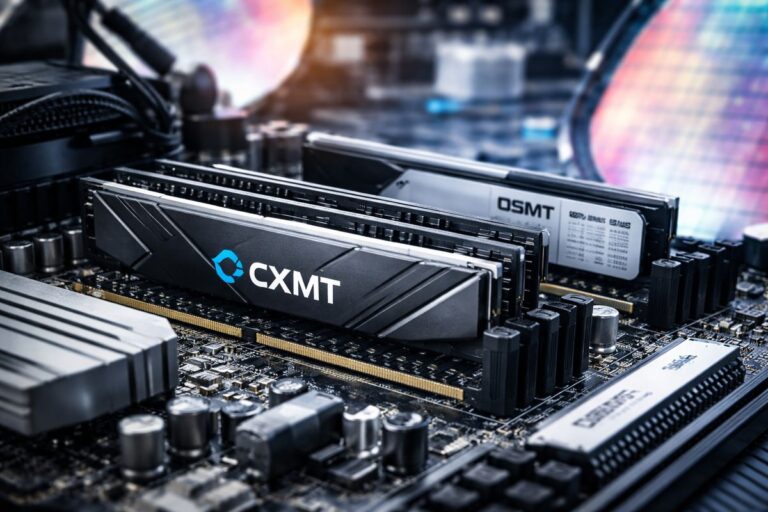
(Source: tekno.kompas.com)
The global technology industry continues to experience fluctuations in hardware component prices, particularly in the memory chip sector. One of the most discussed issues in 2026 is the changing price trend of Random Access Memory (RAM), which directly affects consumers, computer manufacturers, and the broader electronics market. After experiencing significant price increases over the past year, RAM prices have recently begun to decline in several international markets. This development has attracted attention from consumers and PC enthusiasts who have delayed purchasing or upgrading computer systems due to previously high component prices. The decline in RAM prices is also considered a positive signal for the recovery of the global semiconductor supply chain after periods of market instability and production disruptions.
According to technology market reports, the decrease in RAM prices is influenced by several factors, including improving semiconductor production capacity, declining demand in certain electronics sectors, and adjustments in global inventory levels. Some analysts believe that this period may become an ideal time for consumers to build or upgrade personal computers because memory component prices are becoming more affordable compared to previous years. However, despite the recent decline, experts warn that the semiconductor industry still faces ongoing uncertainties related to global supply chains, geopolitical tensions, and fluctuating raw material costs. As a result, RAM prices remain vulnerable to sudden market changes depending on future economic and industrial conditions.
In Indonesia, the situation is further complicated by currency exchange rate fluctuations. The weakening of the Indonesian rupiah against the US dollar has significantly affected the prices of imported technology products, including RAM and other computer components. Reports indicate that RAM prices in Indonesia previously increased dramatically, with some products experiencing price hikes of more than 150 percent due to exchange rate instability and supply limitations. Since most semiconductor components are imported, changes in currency value directly influence retail prices in the domestic market. Consequently, consumers and businesses in Indonesia continue to face challenges in accessing affordable technology products despite global price corrections.
From an Industrial Engineering perspective, the fluctuation of RAM prices demonstrates the importance of supply chain management, inventory planning, and global market analysis in the technology industry. Semiconductor manufacturing depends heavily on highly complex international supply chains involving raw material suppliers, chip manufacturers, logistics providers, and distributors. Disruptions in one part of the supply chain can significantly impact product availability and market prices worldwide. Therefore, companies must implement adaptive supply chain strategies, predictive demand analysis, and efficient inventory management systems to reduce operational risks and maintain market stability. As the digital economy continues to expand, the semiconductor industry will remain one of the most critical sectors influencing global industrial competitiveness and technological development.
References:
- Bloomberg Technoz. (2025, April 9). Produk teknologi kena efek kurs rupiah jebol, harga RAM naik 150%. Bloomberg Technoz
- DetikINET. (2026, April 15). Harga RAM mulai turun tapi krisis masih belum kelar. DetikINET
- Kompas Tekno. (2026, April 15). Harga RAM mulai turun setelah setahun melonjak, waktu tepat rakit PC? Kompas Tekno

Comments :