



Green Hydrogen: Transforming the Future of Industrial Energy
(Source: innovationnewsnetwork)
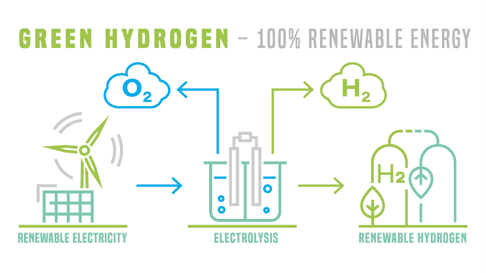
As industries worldwide seek sustainable alternatives to fossil fuels, green hydrogen has emerged as one of the most promising energy solutions. Produced through the electrolysis of water using renewable electricity, green hydrogen offers a carbon-free fuel source capable of supporting industrial decarbonization. In 2026, governments and industries continue to invest heavily in hydrogen infrastructure to achieve net-zero emissions targets. This article discusses the role of green hydrogen in industrial transformation, its applications, benefits, challenges, and future prospects.
Industrial activities account for a significant portion of global greenhouse gas emissions. Sectors such as steel, cement, chemicals, and transportation rely heavily on fossil fuels, making decarbonization particularly challenging. To address this issue, industries are increasingly exploring green hydrogen as a clean energy carrier that can replace coal, natural gas, and oil in various industrial processes.
Unlike gray hydrogen, which is produced using fossil fuels, green hydrogen is generated through renewable energy sources such as solar and wind power. This process produces no direct carbon emissions, making green hydrogen a key technology in achieving sustainable industrial development. The demand for green hydrogen has increased significantly as governments strengthen climate policies and industries pursue carbon neutrality goals. Many countries have launched national hydrogen strategies to accelerate investment in hydrogen production, storage, and transportation infrastructure.
Green hydrogen is considered a strategic solution because it can store renewable energy, support energy security, and provide a low-carbon fuel alternative for hard-to-abate industries. As renewable electricity becomes more affordable, the economic viability of green hydrogen continues to improve.
Industrial Applications of Green Hydrogen
1. Steel Manufacturing
The steel industry is one of the largest industrial sources of carbon emissions. Traditionally, steel production relies on coke derived from coal to reduce iron ore. Green hydrogen can replace coal in the reduction process, significantly reducing carbon dioxide emissions. Several pilot projects around the world have demonstrated the feasibility of hydrogen-based steelmaking, paving the way for large-scale adoption in the coming years.
2. Chemical Industry
Hydrogen is an essential raw material in the production of ammonia, fertilizers, and various chemicals. Replacing fossil-fuel-based hydrogen with green hydrogen can substantially reduce emissions across the chemical sector. Green ammonia, produced using renewable hydrogen, is gaining attention as both a fertilizer and a potential carbon-free fuel for shipping industries.
3. Transportation and Logistics
Heavy-duty transportation sectors, including shipping, aviation, and long-haul trucking, face challenges in electrification due to energy density requirements. Hydrogen fuel cells provide an alternative solution by delivering longer operating ranges and faster refueling times. Many logistics companies are exploring hydrogen-powered vehicles to reduce emissions while maintaining operational efficiency.
Economic Benefits
The development of a green hydrogen economy can generate substantial economic opportunities, including:
- Creation of new industrial jobs.
- Increased investment in renewable energy infrastructure.
- Enhanced energy security through reduced dependence on fossil fuel imports.
- Development of new export markets for hydrogen-producing countries.
- Support for long-term industrial competitiveness.
As production technologies improve and economies of scale are achieved, the cost of green hydrogen is expected to decline significantly.
Challenges to Adoption
Despite its potential, several barriers continue to limit the widespread adoption of green hydrogen:
- High Production Costs, Green hydrogen remains more expensive than conventional hydrogen due to the costs associated with renewable electricity and electrolyzer technologies.
- Infrastructure Requirements, The transportation and storage of hydrogen require specialized infrastructure, including pipelines, storage facilities, and refueling stations.
- Energy Efficiency, Hydrogen production, storage, and conversion involve energy losses that reduce overall efficiency compared to direct electrification.
- Regulatory and Policy Support, Government incentives, standards, and regulatory frameworks are necessary to encourage investment and accelerate market development.
Future Outlook
Experts predict that green hydrogen will play an increasingly important role in industrial decarbonization throughout the next decade. Technological advancements in electrolysis, renewable energy generation, and hydrogen storage are expected to improve efficiency and reduce costs. As industries continue their transition toward sustainable operations, green hydrogen is likely to become a critical component of future energy systems. Countries that invest early in hydrogen infrastructure and innovation may gain significant competitive advantages in the emerging low-carbon economy.
References:
- International Energy Agency (IEA). (2025). Global Hydrogen Review 2025.
- International Renewable Energy Agency (IRENA). (2025). Green Hydrogen: A Guide to Policy Making.
- Hydrogen Council. (2025). Hydrogen Insights 2025.
- World Economic Forum. (2025). Accelerating Clean Hydrogen Adoption for Industrial Decarbonization.
- McKinsey & Company. (2025). The Future of Green Hydrogen in Heavy Industry.
- (2025). Hydrogen Economy Outlook: Industrial Transformation and Sustainability.
- Innovation News Network. (2022). The Advantages of Green Hydrogen Fuel in the Clean Energy Transition. Retrieved from https://www.innovationnewsnetwork.com/advantages-green-hydrogen-fuel-clean-energy-transition/22153/

Comments :