

BINUS University Hosts PEI Workshop on Safe Driving Guidelines
BINUS University, in collaboration with the Indonesian Ergonomics Association (PEI), successfully held a workshop focused on developing driving safety guidelines based on ergonomic principles. The event brought together academics and practitioners from various universities across Indonesia, serving as a collaborative platform for exchanging knowledge and experiences in the fields of ergonomics and transportation safety.
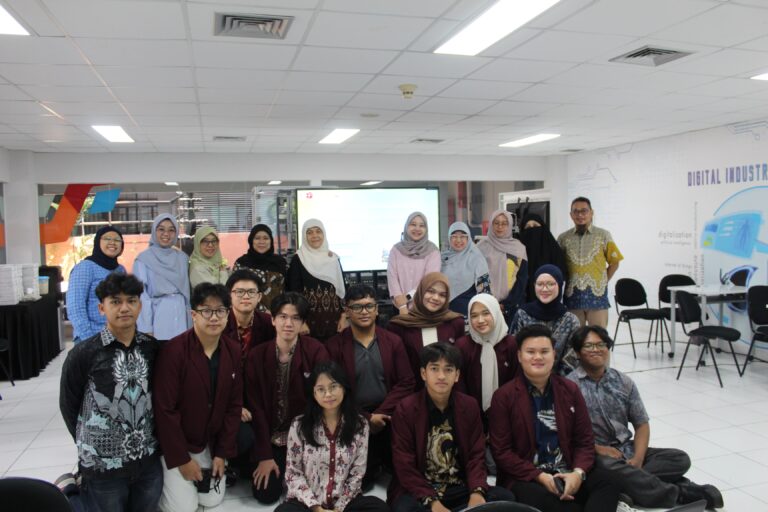
The workshop was officially opened by the Dean of the Faculty of Engineering at BINUS University, who expressed his appreciation for the event. In his remarks, he emphasized the importance of applying ergonomics to improve driving safety, as well as the need for collaboration among institutions to address real-world challenges in the field.
This workshop is part of a series of activities organized by the Indonesian Ergonomics Association (PEI), specifically within the scope of the Technical Committee on Transport Ergonomics and Safety. Previously, similar events were held at various institutions, such as the University of Indonesia (UI) and the Bandung Institute of Technology (ITB), with the aim of developing practical, science-based safety guidelines.
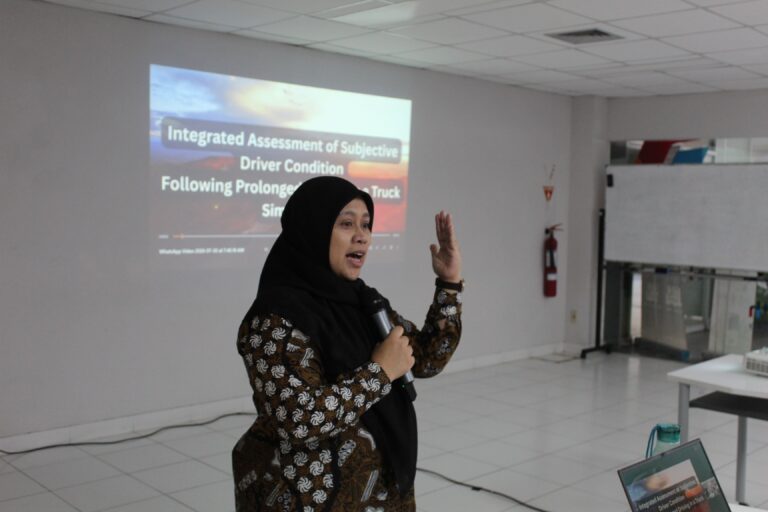
In the first session, the speaker emphasized the importance of an ergonomic approach to understanding road user behavior. It was highlighted that human factors are a key element in transportation systems, making ergonomic design essential for improving user safety and comfort.
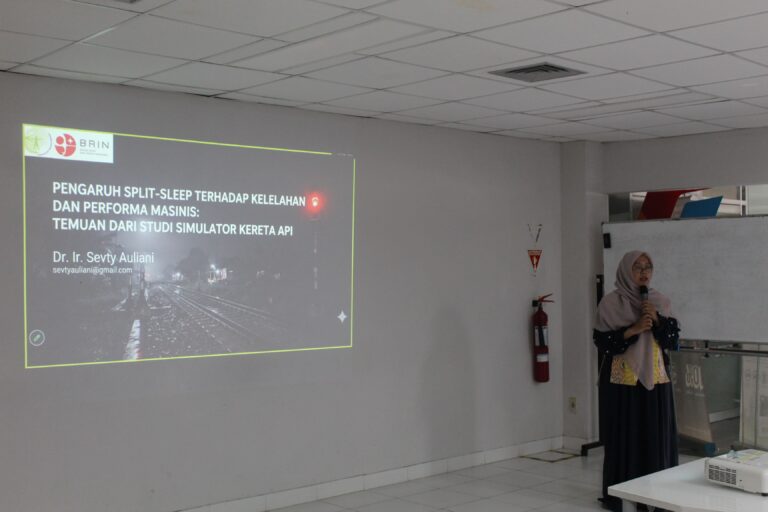
The next session was led by the second speaker, who discussed the practical application of ergonomics in everyday contexts. The material presented emphasized the importance of integrating theory and practice to create effective and easily implementable safety solutions.
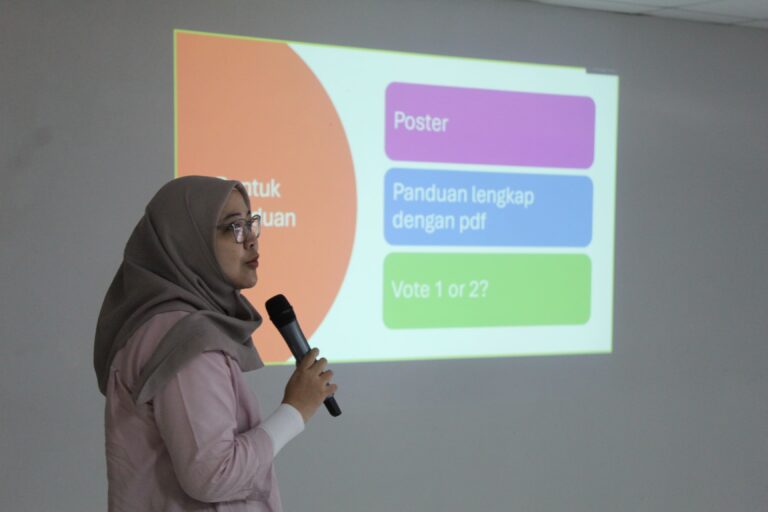
In the final session, the third speaker provided insights into the development of ergonomics-based safety policies and standards. Collaboration among academics, practitioners, and policymakers was identified as a key factor in producing comprehensive and sustainable guidelines.
In addition to the presentation sessions, the workshop also featured interactive discussions involving all participants. During these sessions, various perspectives and experiences were shared to identify key issues and formulate solutions relevant to on-the-ground conditions.
The outcomes of this workshop are expected to make a tangible contribution to improving road safety. The resulting guidelines are expected to serve as a reference for various stakeholders in creating a safer and more sustainable transportation system.
Overall, this event demonstrates BINUS University’s commitment to supporting academic collaboration and contributing to society through impactful activities. This workshop also underscores the importance of ergonomics in creating systems that are safer, more efficient, and human-centered.

Comments :