



From Industrial Giant to Artisan Hub: London’s Shifting Manufacturing Identity
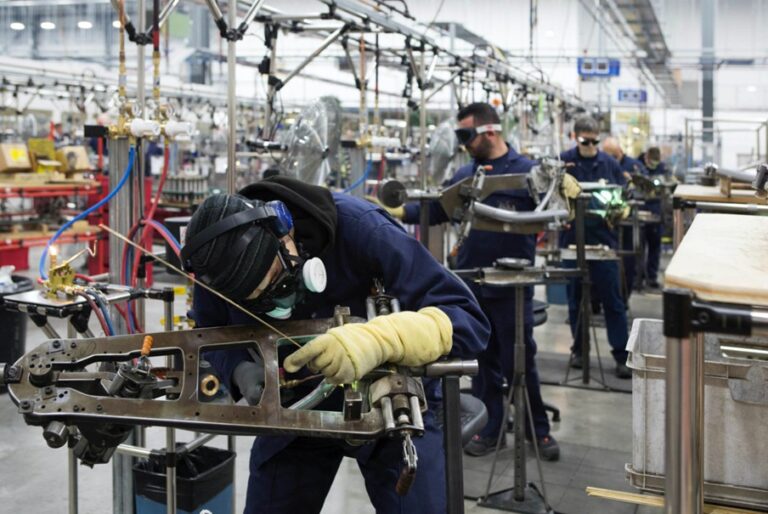
(Source: citiesofmaking.com)
London, once a powerhouse of UK manufacturing, has undergone a dramatic transformation. While large-scale industries have dwindled, the city now thrives with smaller, artisanal producers that blend tradition with innovation. The story of this shift reveals both challenges and opportunities for London’s industrial future.
The Transformation of London’s Industry
During the late 18th to mid-20th century, London was a key hub for heavy industries, from aerospace to automotive. Yet today, manufacturing contributes only about 2% to the city’s total income. Many machine shops that once supplied major enterprises have been converted into residential areas, leaving behind a sense of nostalgia for industry veterans.
Despite this decline, sectors such as food and beverages, textiles, and clothing have experienced growth since the early 2000s. According to the Cities of Making research initiative, London should not be dismissed as a city of makers—it is reinventing itself.
Artisanal and Sustainable Production
Rather than large factories, London is now associated with handcrafted, high-value goods. Companies like Brompton Bikes exemplify this trend, maintaining their workshops in the city while appealing to customers worldwide who value products “Made in London.”
Experts note that consumer demand for sustainability fuels this artisanal resurgence. Modern buyers seek products with lower carbon footprints, made closer to home. This has encouraged innovation, from eco-friendly textiles to niche start-ups experimenting with sustainable materials such as seaweed-based fabrics.
Cultural and Economic Value
Dr. Richard Courtney from the University of East London explains that Britain’s global reputation now lies less in mass production and more in “great design” and cultural symbolism. London’s artisanal manufacturing contributes to this identity by combining craftsmanship with modern creativity.
The so-called “Makers’ Mile”—stretching between Tower Hamlets and Hackney—has become a hub for creative studios, clothing workshops, and hardware start-ups. Other districts like Haringey and Park Royal continue to host industries in clothing, food production, electronics, and construction materials.
Challenges on the Horizon
Despite optimism, external risks remain. A forecast by City Hall suggests that over 143,000 jobs linked to manufacturing could be disrupted by global trade tensions and supply chain uncertainties. Employment in the sector is predicted to fluctuate, with modest growth followed by contraction in the coming years.
The UK government has responded with a new Industrial Strategy, aiming to support advanced manufacturing and encourage innovation. Initiatives such as the Thames Freeport highlight attempts to attract investment and boost productivity across London and beyond.
Conclusion
London’s industrial face has undeniably changed: the smokestacks of heavy industry are gone, replaced by smaller but highly innovative enterprises. While challenges like global trade disruptions and climate change persist, the city’s artisanal and sustainable manufacturing scene demonstrates resilience. London remains, in its own way, a city of makers—adapting its legacy to meet the demands of the future.
Reference:
- BBC News. (2023). Industrial to artisan: Is London still a manufacturing centre? Retrieved from https://www.bbc.com/news/business-65945493
- Cities of Making. (2020). Reshaping manufacturing for the 21st century. Retrieved from https://citiesofmaking.com
- UK Government. (2021). Industrial Strategy: Building a Britain fit for the future. Retrieved from https://www.gov.uk/government/publications/industrial-strategy-building-a-britain-fit-for-the-future

Comments :