



Human-Centered Smart Factories: Sustainability and Workforce Transformation in Industrial Engineering
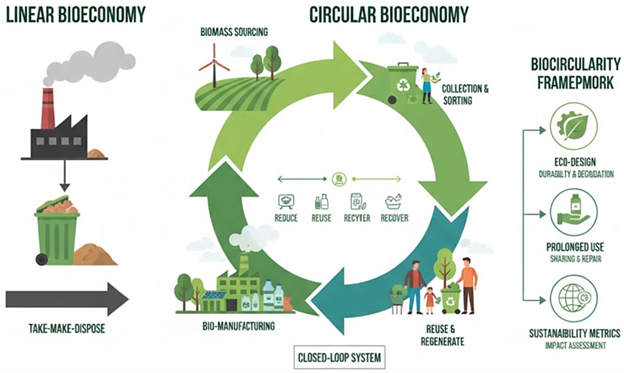
(Source: https://www.mdpi.com/)
The rapid evolution of smart manufacturing is transforming industrial engineering into a discipline that no longer focuses solely on machines, automation, and productivity. Modern factories are becoming increasingly intelligent through the integration of artificial intelligence, robotics, IoT systems, cloud computing, and real-time analytics. However, as industries move toward highly automated production systems, companies are beginning to realize that technological advancement alone is not enough to ensure long-term industrial success. The future of manufacturing increasingly depends on how effectively organizations balance advanced technology with human-centered operational strategies.
Human-centered smart factories represent a new industrial approach where technology is designed to support human workers rather than completely replace them. In earlier industrial revolutions, automation was often viewed primarily as a tool for reducing labor dependency and increasing production speed. Today, industrial engineering is shifting toward collaborative manufacturing environments where humans and intelligent systems work together to improve operational performance, workplace sustainability, and organizational resilience. This transformation reflects a growing understanding that human adaptability, creativity, and decision-making remain critical even in highly digitalized manufacturing systems.
Sustainability also plays a major role in shaping human-centered smart factories. Modern manufacturing companies face increasing pressure to reduce environmental impact while maintaining operational efficiency and workforce well-being. Industrial engineers are now expected to design systems that optimize energy consumption, reduce production waste, improve workplace safety, and support employee development simultaneously. Sustainable manufacturing is no longer limited to environmental metrics alone; it increasingly includes social sustainability factors such as workforce stability, employee satisfaction, and long-term organizational adaptability.
Artificial intelligence is becoming one of the most influential technologies within smart factory environments. AI-driven systems can monitor machine conditions, predict maintenance requirements, optimize production schedules, and analyze operational data in real time. These technologies improve efficiency and reduce operational disruptions, but they also significantly change workforce responsibilities. Employees are no longer limited to repetitive manual tasks because many routine operations are now automated. Instead, workers increasingly focus on problem-solving, system supervision, process improvement, and technology management. This shift is transforming the skill requirements within industrial engineering and manufacturing industries worldwide.
Collaborative robotics, often referred to as cobots, are another important component of human-centered manufacturing systems. Unlike traditional industrial robots that operate separately from workers, cobots are specifically designed to interact safely with humans within shared workspaces. These systems assist employees with physically demanding or repetitive tasks while allowing workers to focus on higher-value activities requiring critical thinking and flexibility. Industrial engineers play a key role in designing collaborative workflows that maximize both human capability and technological efficiency without compromising workplace safety.
The integration of digital technologies also creates opportunities to improve employee experience and workforce sustainability. Smart factory systems equipped with wearable devices, ergonomic monitoring technologies, and real-time safety analytics can help reduce workplace injuries and physical strain. Industrial engineering increasingly emphasizes ergonomic design principles to ensure that advanced manufacturing systems remain compatible with human limitations and well-being. This approach reflects the growing importance of designing factories around human needs rather than forcing workers to adapt entirely to machine-driven systems.
Workforce transformation remains one of the biggest challenges associated with smart manufacturing adoption. As industries adopt AI, automation, and digital production systems, demand for traditional repetitive labor continues to decline while demand for technical and analytical skills increases significantly. According to the World Economic Forum, future manufacturing industries will require workers who can combine technical knowledge with adaptability, digital literacy, and interdisciplinary problem-solving skills. Industrial engineers therefore face the dual responsibility of implementing advanced technologies while supporting workforce transition and skill development initiatives.
Upskilling and reskilling programs are becoming essential components of industrial transformation strategies. Companies increasingly invest in training programs focused on data analytics, automation systems, AI operations, and digital manufacturing technologies. Human-centered factories recognize that employees are not simply operational resources but valuable contributors to organizational innovation and long-term competitiveness. Organizations that fail to invest in workforce development risk creating skill gaps that limit the effectiveness of advanced manufacturing technologies.
Sustainability objectives are also influencing factory design and operational strategy. Smart factories increasingly utilize renewable energy systems, energy-efficient equipment, and resource optimization technologies to reduce environmental impact. Industrial engineers use real-time energy monitoring systems and predictive analytics to identify inefficiencies across production processes. These technologies allow companies to improve productivity while simultaneously lowering carbon emissions and operational waste. Sustainable industrial engineering therefore integrates environmental responsibility directly into manufacturing performance management.
Digital twin technology further supports human-centered and sustainable manufacturing systems. A digital twin is a virtual model of a physical factory environment that allows engineers to simulate operational changes before implementing them in real production systems. Through digital twins, industrial engineers can analyze ergonomic risks, optimize production flow, evaluate energy consumption, and improve workplace layouts without disrupting ongoing operations. This technology improves decision-making while reducing operational uncertainty and implementation risks.
Despite these advancements, human-centered smart factories still face multiple challenges. High implementation costs remain a major barrier, particularly for small and medium-sized manufacturers with limited investment capacity. Integrating advanced digital systems also requires strong cybersecurity infrastructure to protect operational data and interconnected manufacturing networks. Workforce resistance to technological change can also create organizational difficulties, especially when employees fear job displacement due to automation. Industrial engineers must therefore balance technological implementation with effective change management strategies and transparent workforce communication.
The future of industrial engineering increasingly depends on creating manufacturing systems where technology enhances human capability rather than replacing it entirely. Human-centered smart factories demonstrate that operational efficiency, sustainability, and workforce well-being can coexist within advanced manufacturing environments. Companies that successfully integrate digital innovation with workforce development and sustainable operational strategies will likely gain stronger competitive advantages in future industrial markets.
Industrial engineering is evolving into a field that connects people, technology, sustainability, and intelligent manufacturing systems within a unified operational framework. Future factories will not simply be automated production facilities; they will become adaptive ecosystems where humans and intelligent technologies collaborate to create more resilient, efficient, and sustainable industrial operations.
References:
- World Economic Forum. (2025). Circular Economy and Advanced Manufacturing. https://www.weforum.org/
- McKinsey & Company. (2025). The Future of Sustainable Manufacturing. https://www.mckinsey.com/
- Gartner. (2025). Manufacturing Technology Trends and Smart Factory Innovation. https://www.gartner.com/
- International Energy Agency (IEA). (2025). Industrial Energy Efficiency and Sustainable Manufacturing. https://www.iea.org/
- United Nations Industrial Development Organization (UNIDO). (2025). Industrial Development Report 2025. https://www.unido.org/
- Harvard Business Review. (2025). The Rise of Circular Manufacturing Systems. https://hbr.org/
- Accenture. (2025). Technology Vision for Smart and Sustainable Manufacturing. https://www.accenture.com/

Comments :